
The Rise of the Citizen Developer: Scaling Internal Tools with Low-Code Mini-Programs.
Explore the rise of the citizen developer! Unlock the power of low-code platforms & development platforms, bypassing traditional coding & technical skills.
Explore the rise of the citizen developer! Unlock the power of low-code platforms & development platforms, bypassing traditional coding & technical skills.
Scalable Power Conversion: Intelligent Module Resilience. Explore seamless adaptability & module resilience in power conversion. Ensures system uptime.
Introduction: The Cross-Platform Imperative Mini-program ecosystems have proliferated across multiple super app platforms—WeChat, Alipay, Baidu, Douyin, and international counterparts—creating both opportunities and challenges for developers seeking broad market reach. Each platform maintains distinctive technical requirements, development tools, and deployment processes, potentially fragmenting development efforts and increasing maintenance complexity. Cross-platform SDK integration addresses
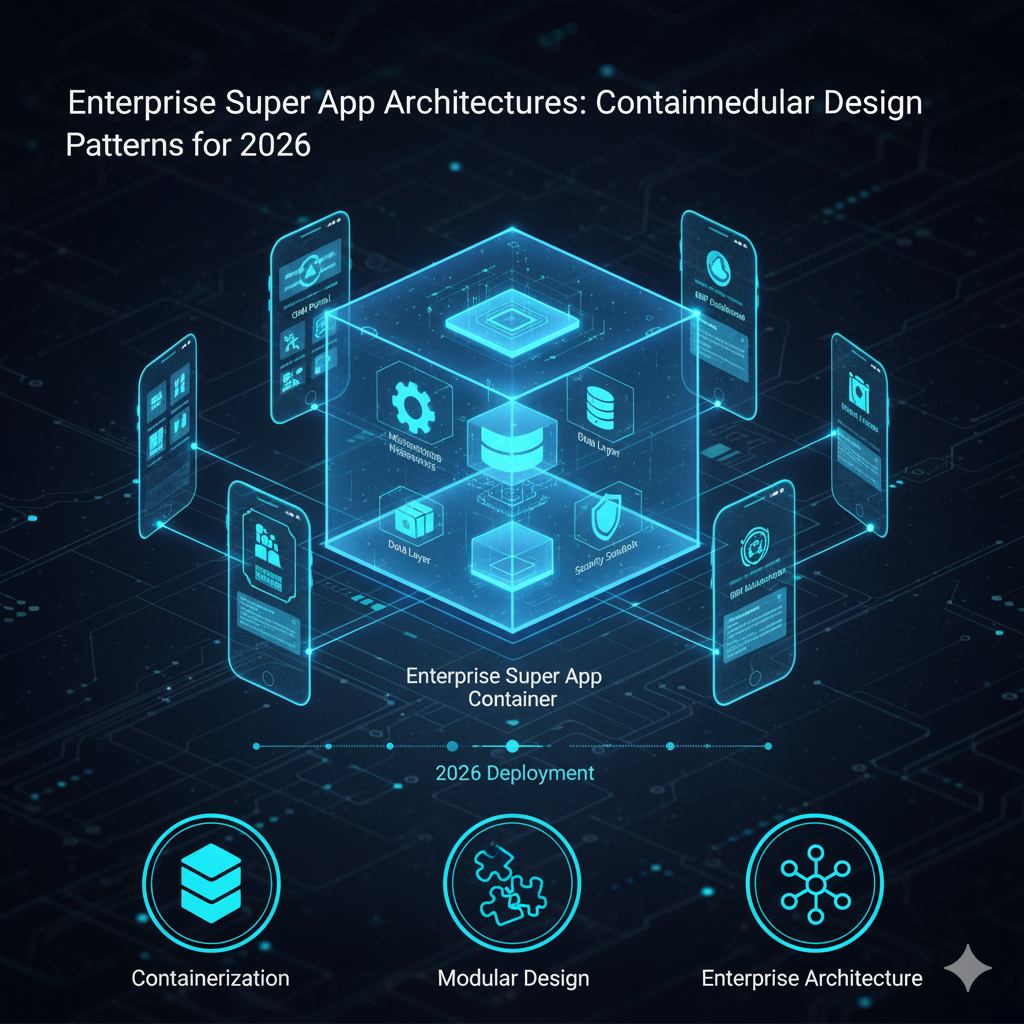
Introduction: The Enterprise Super App Imperative Enterprise organizations across industries face mounting pressure to consolidate digital services, streamline user experiences, and modernize legacy systems—challenges increasingly addressed through super app architectures tailored for business contexts. Unlike consumer super apps that aggregate diverse public services, enterprise super apps focus on integrating internal tools, partner ecosystems, and customer interfaces within cohesive digital
Introduction: Musk's Super App Ambition Realized On March 10, 2026, Elon Musk personally announced on the X platform that X Money will open for early public access next month, culminating years of development toward transforming X into a comprehensive "everything app." The announcement triggered immediate market reactions—Dogecoin surged in response, financial technology analysts reevaluated competitive landscapes, and media attention focused on Musk's ambitious vision to replicate WeChat's suc
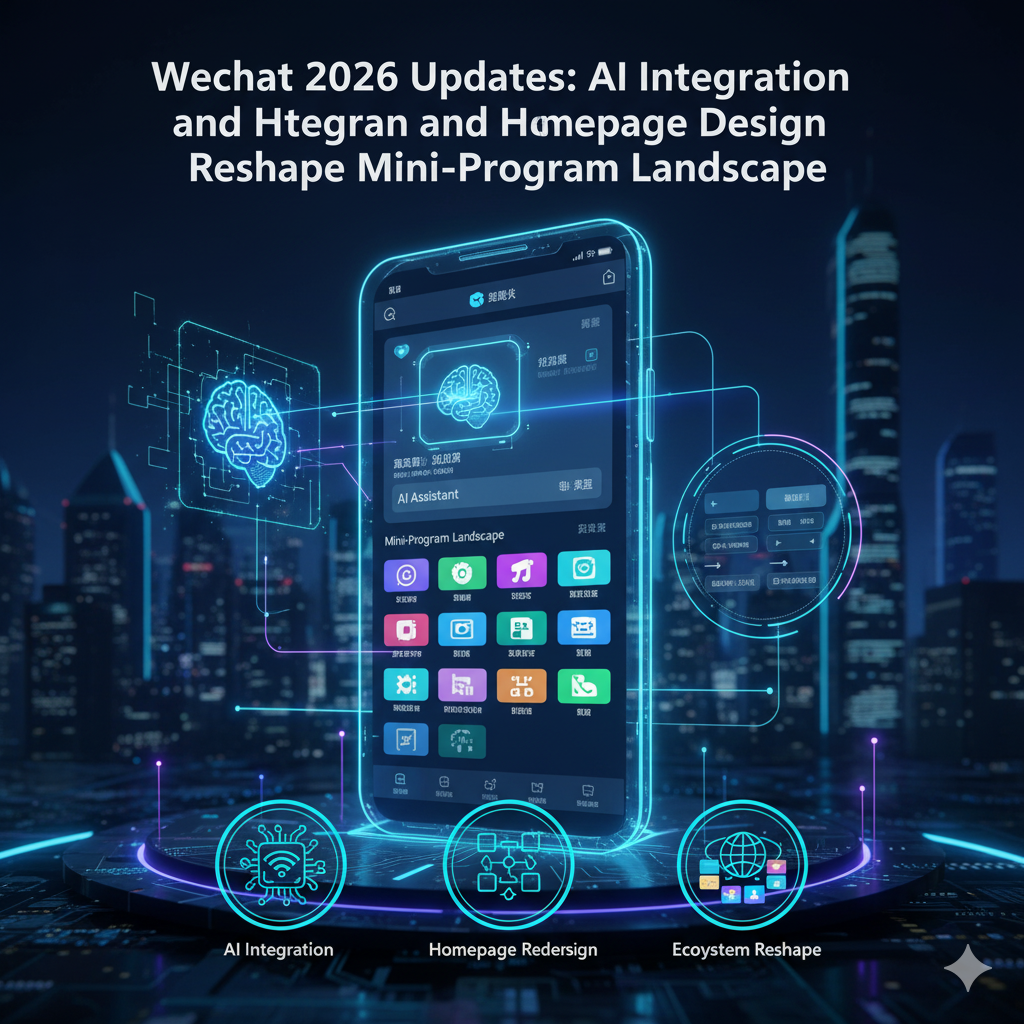
Introduction: WeChat's Evolution in the AI Era In the opening months of 2026, Tencent's WeChat has unveiled its most substantial platform updates in years, signaling a strategic pivot toward artificial intelligence integration and enhanced mini-program capabilities. The announcements—spanning AI development resources, homepage redesign, and merchant tool enhancements—collectively represent WeChat's response to the transformative potential of AI while reinforcing its position as China's dominant
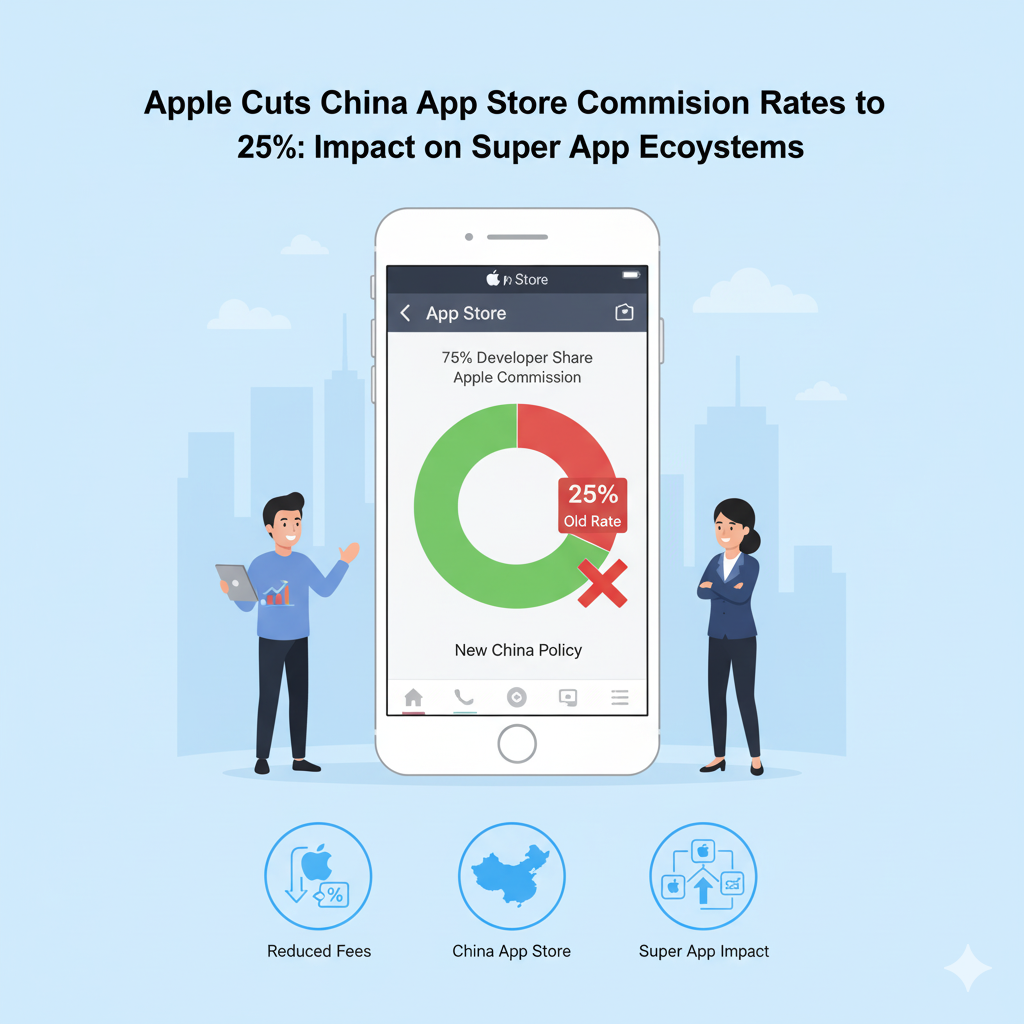
Introduction: A Watershed Moment for China's Mobile Economy On March 15, 2026, Apple implemented a significant policy change that will reshape China's digital landscape: commission rates for the China mainland storefront of the App Store dropped from 30% to 25% for standard Apple In-App Purchase and paid app transactions. This 5% reduction represents more than just a minor adjustment in Apple's revenue model—it signals a strategic response to China's unique mobile ecosystem dynamics and creates
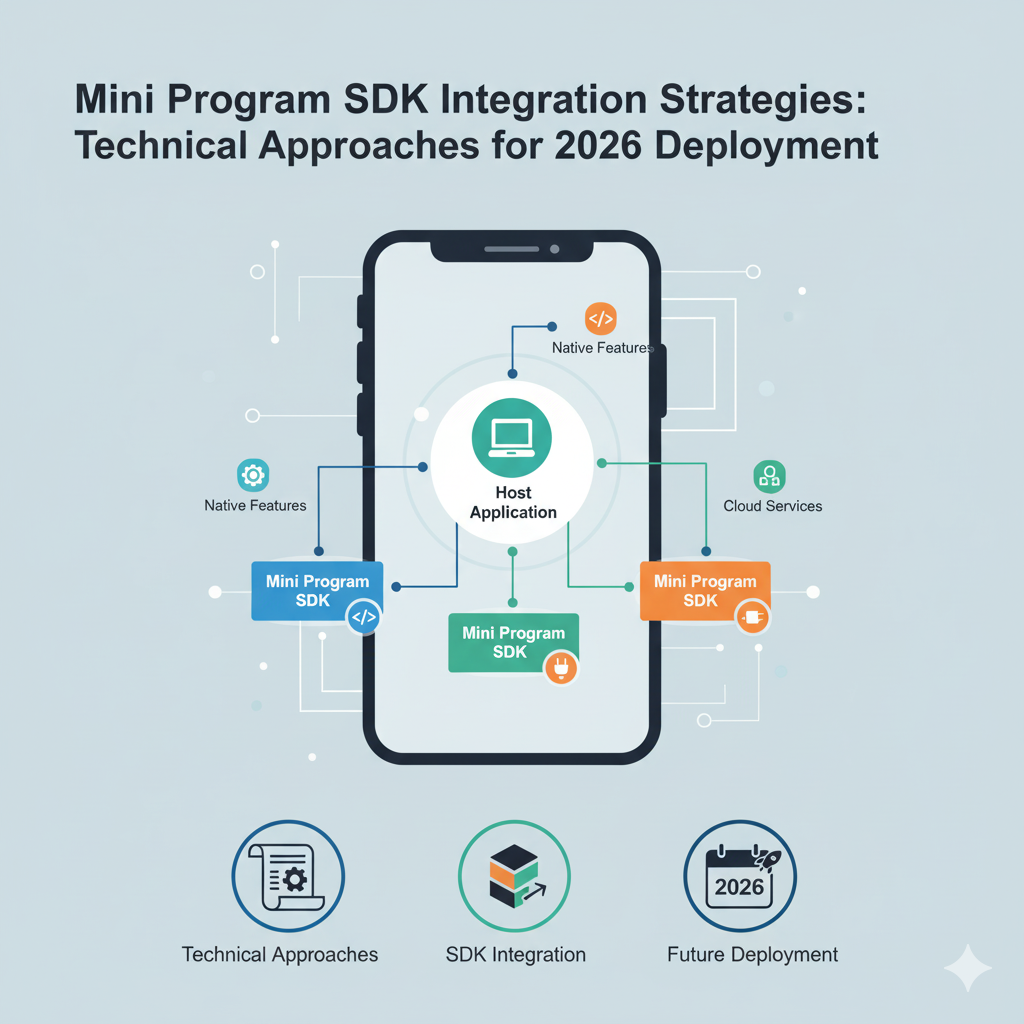
Mini-program SDK integration presents distinct technical challenges in 2026 environments: managing performance impact within host applications, ensuring security isolation for untrusted code, maintaining compatibility across diverse platforms and devices, and providing developer experiences that accelerate rather than hinder feature delivery. Successful integration strategies balance these concerns through architectural patterns including lazy loading, capability-based permissions, progressive e
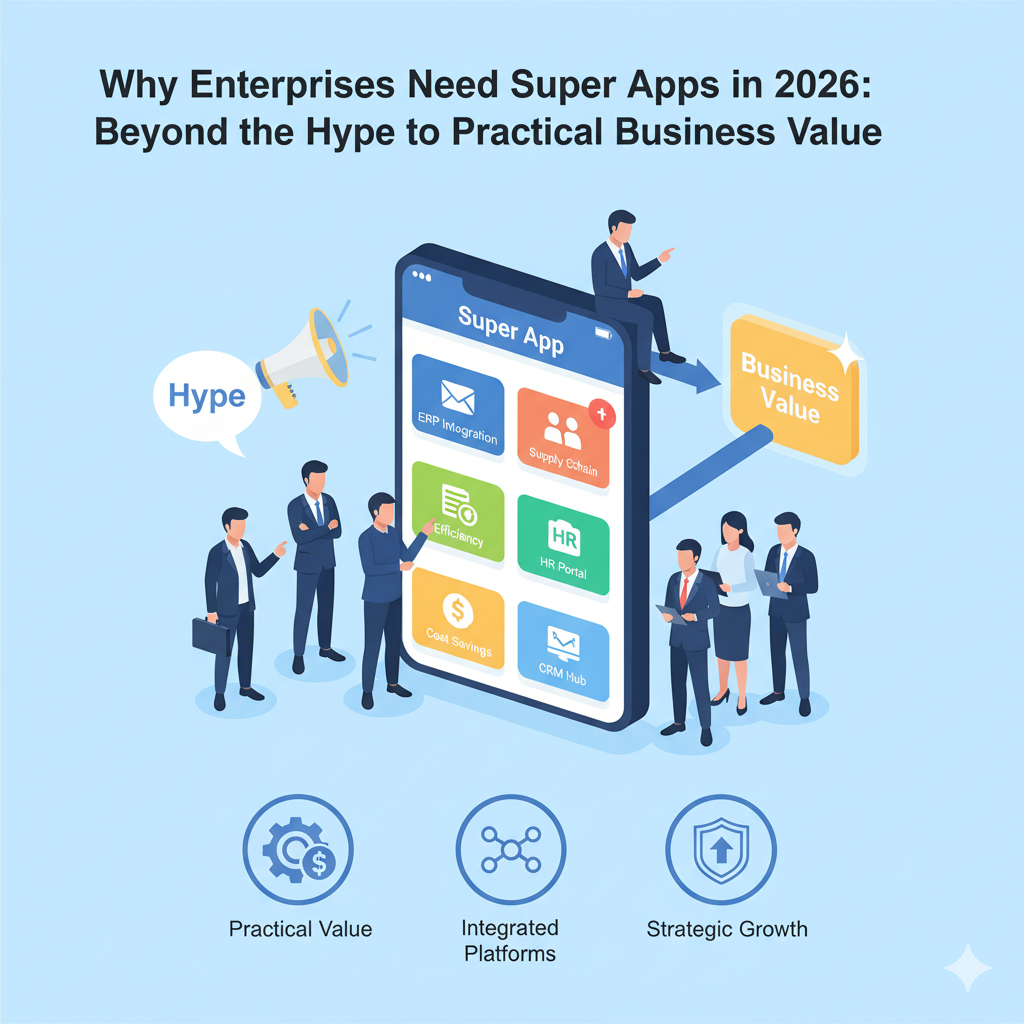
Enterprises need super app architectures in 2026 because they solve fundamental business challenges that traditional application approaches exacerbate: slow feature deployment, fragmented user experiences, escalating development costs, and inability to adapt to changing market conditions. Unlike consumer-facing super apps that aggregate third-party services, enterprise super apps consolidate internal tools, partner integrations, and customer-facing capabilities into cohesive digital experiences
AI-Powered CDPs: Martech's Customer Data Platform for Engagement. Unify customer data with AI. Drive customer engagement through a composable CDP data platform.
Composable banking architecture delivers better customer experience. Build modular financial services like lego blocks, integrating with any ecosystem.
Go from AI prompt to mobile app! Streamline mobile development & coding workflow with AI-driven app generation. Build an entire app with simple prompts.
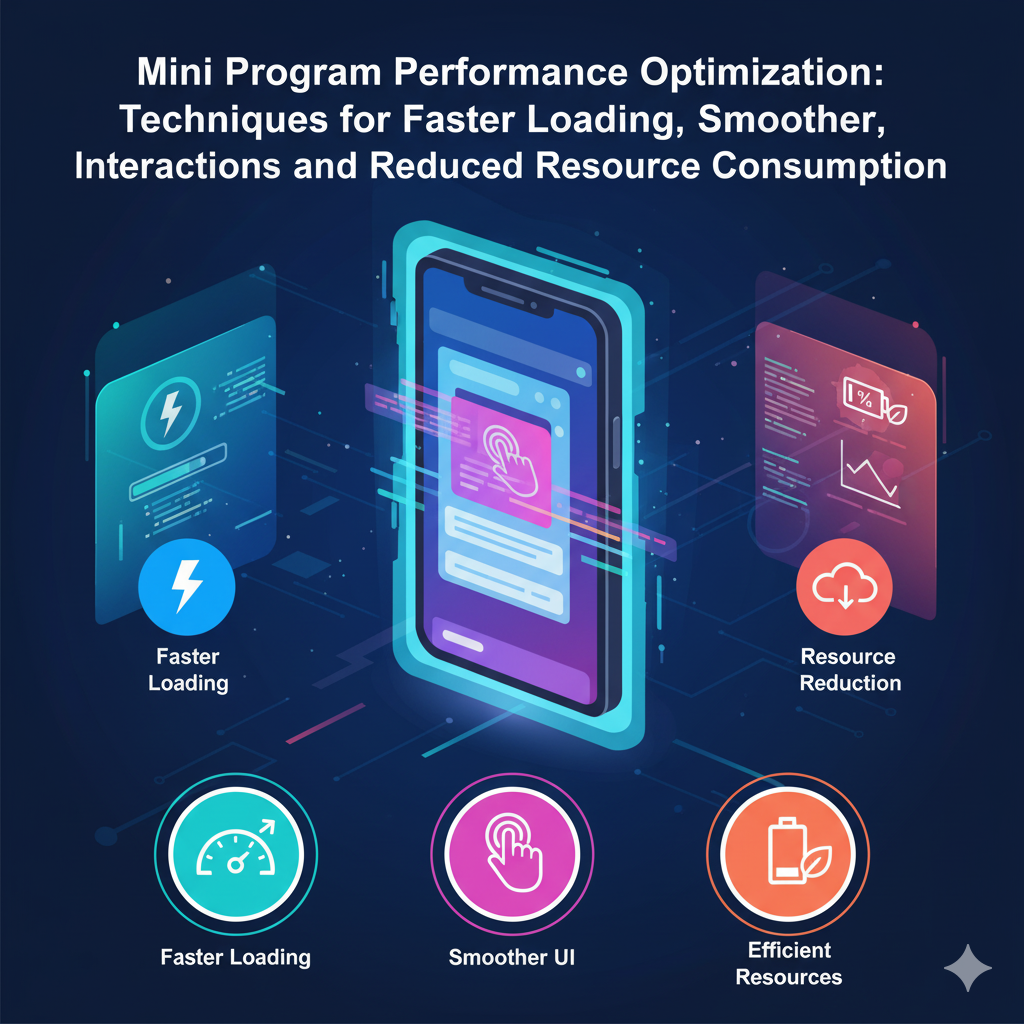
Mini program performance optimization encompasses technical strategies for improving loading speed, interaction responsiveness, memory efficiency, and battery consumption within containerized application environments. Unlike traditional web or native applications, mini programs operate within constrained runtime environments that impose specific limitations and opportunities for optimization. Effective performance tuning can reduce initial loading times by 601-80%, decrease memory usage by 30-50
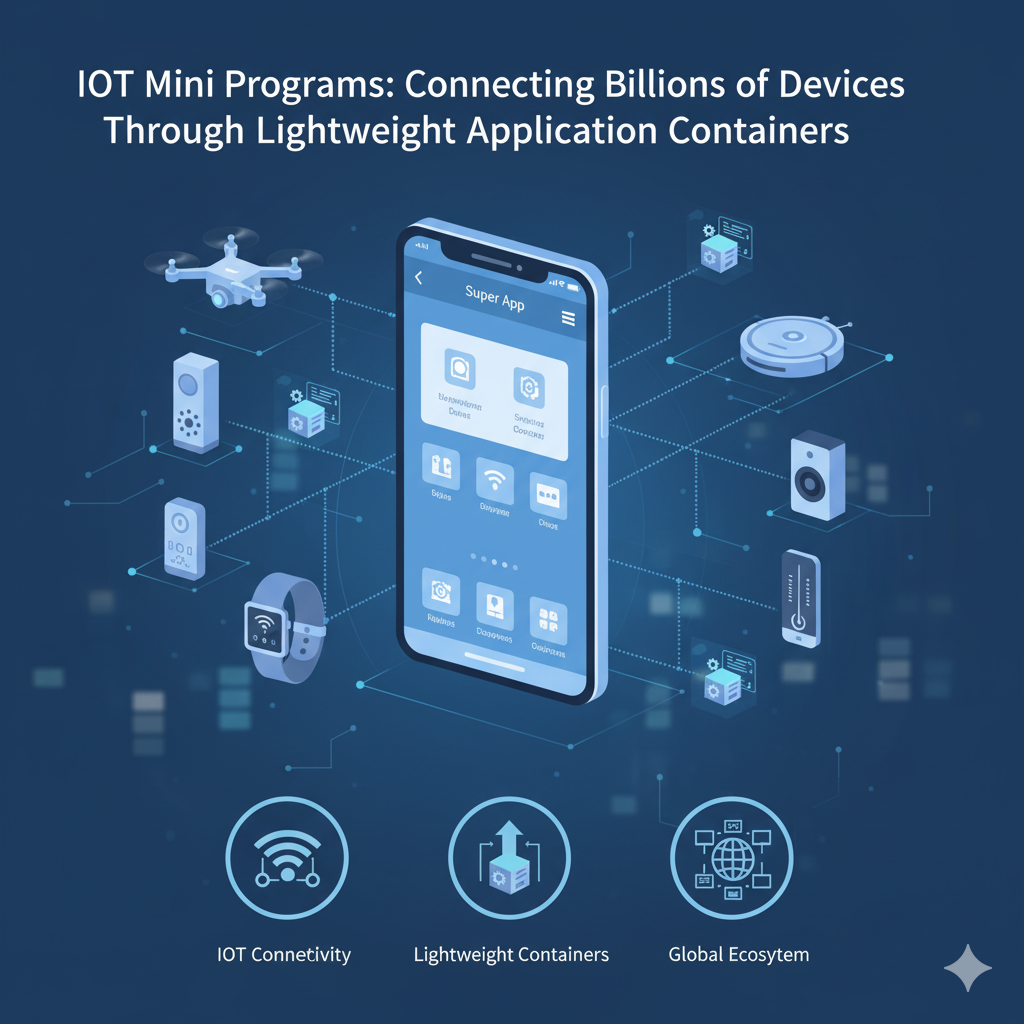
IoT mini programs represent the next evolution in connected device software, enabling lightweight application deployment across billions of devices—from smart home appliances and wearables to industrial equipment and vehicle systems—through container architectures that balance capability with resource constraints. Unlike traditional IoT applications requiring separate development for each device type and operating system, mini-program containers provide standardized runtime environments that exe
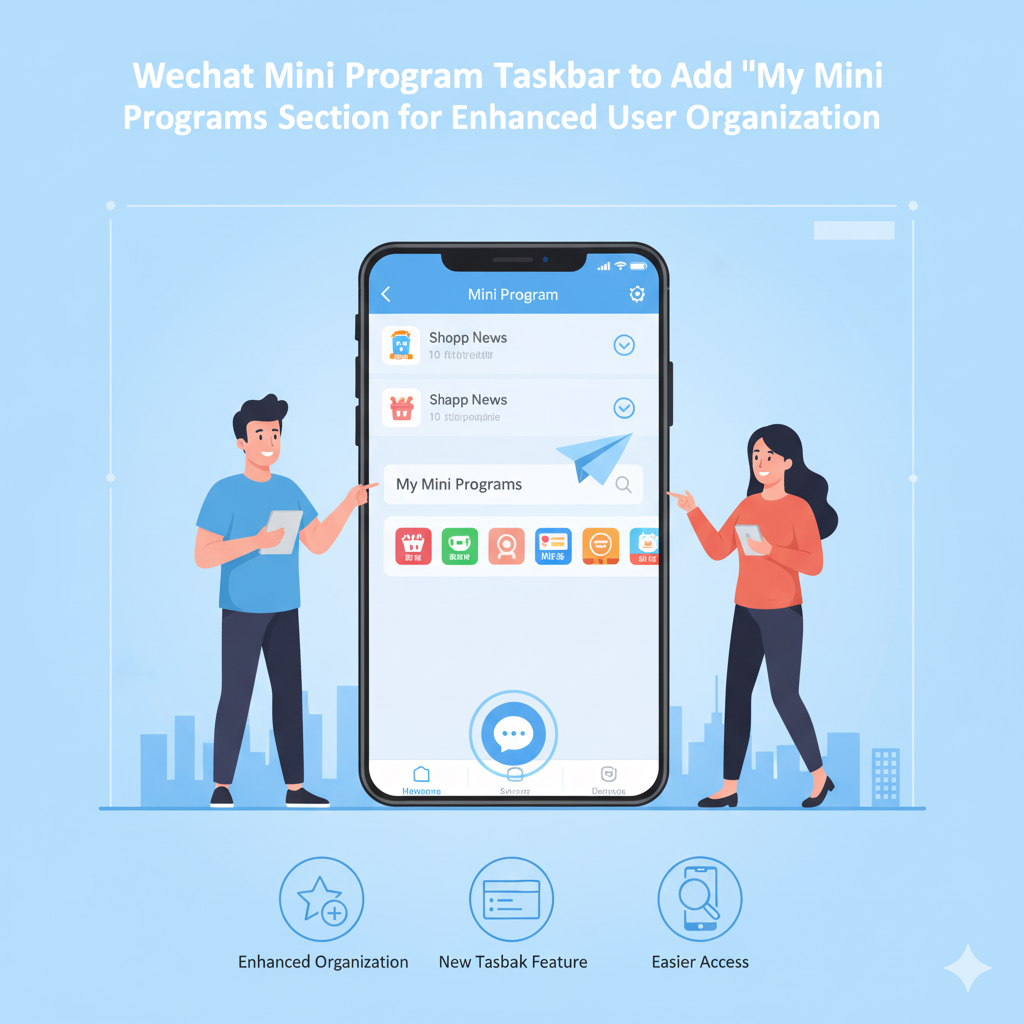
WeChat plans to introduce a "My Mini Programs" section within the platform's taskbar, providing users with personalized organization and quick access to frequently used mini-programs. The feature, revealed during developer discussions in March 2026, will appear in the chat page dropdown taskbar where users can customize content according to their preferences and usage patterns. This enhancement represents WeChat's continued refinement of its mini-program discovery and management system, building